



SAP Resource Augmentation USA: A Smarter Approach to IT Staffing
SAP projects rarely follow a perfectly predictable path. A business may begin with a manageable implementation plan and suddenly need additional consultants for migration, integration, testing, development, or post-go-live support. Hiring permanent employees for every new requirement can make workforce planning complicated, especially when specialized skills are needed for only a limited period.
SAP Resource Augmentation USA offers a flexible way to address these challenges by adding qualified SAP professionals to an existing team when and where they are needed. Instead of rebuilding an entire workforce, organizations can bring in resources with specific technical or functional expertise and align them with current project priorities.
But what makes this model useful, and how can companies choose the right resource augmentation partner? Let’s explore.
Why Are Businesses Turning to SAP Resource Augmentation USA?
Modern SAP environments can require a broad combination of skills. A single project might involve functional consultants, developers, architects, integration specialists, migration experts, testers, and support professionals.
Finding all these capabilities internally can take time.
Resource augmentation gives businesses another way to respond. Companies can strengthen their teams when project workloads increase, access specialized expertise for specific requirements, and adjust their workforce as project phases change.
Some common reasons organizations use resource augmentation include:
- Filling temporary SAP skill gaps
- Supporting SAP implementation projects
- Adding specialists for S/4HANA initiatives
- Accelerating migration projects
- Supporting SAP integration
- Increasing development capacity
- Strengthening testing teams
- Handling short-term workload increases
- Supporting post-go-live activities
- Accessing specialized SAP expertise
The model is particularly valuable when a company knows what expertise it needs but does not necessarily need that expertise permanently.
Access Specialized SAP Skills When You Need Them
One of the strongest advantages of resource augmentation is access to specialized expertise.
SAP encompasses numerous technologies and functional areas, and organizations may not have every skill available internally. Depending on the project, businesses may require professionals experienced in:
- SAP S/4HANA
- SAP FICO
- SAP MM
- SAP SD
- SAP PP
- SAP ABAP
- SAP Basis
- SAP integration
- SAP supply chain
- SAP data migration
- SAP testing
- SAP application development
The requirement can also extend beyond a single SAP module. Modern enterprise projects frequently involve integrations between SAP and other business applications, databases, cloud platforms, and enterprise systems.
A flexible staffing approach allows companies to obtain the right expertise for those specific requirements instead of maintaining every skill as a permanent internal capability.
Scale Your SAP Team Around Project Demand
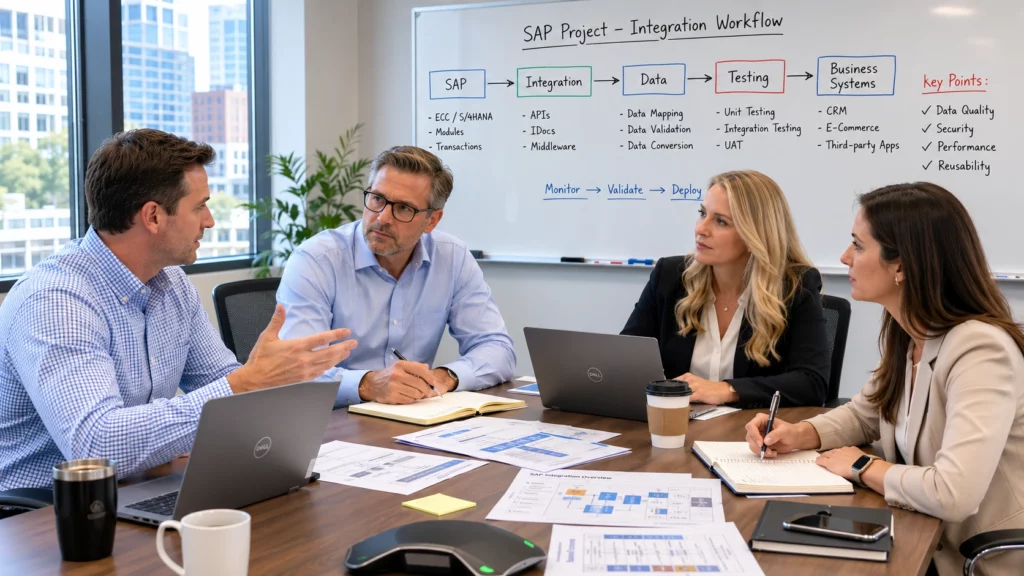
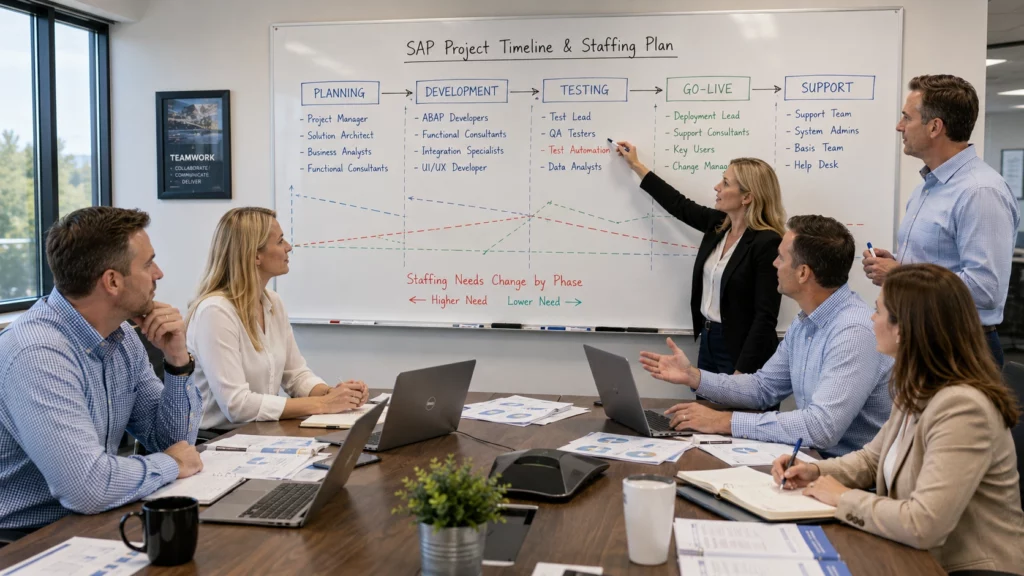
SAP workforce requirements often change throughout a project.
During planning, an organization might need architects and functional consultants. Development may increase the demand for ABAP professionals. During testing, additional QA and testing specialists may become necessary. After deployment, the focus can shift toward support and optimization.
Maintaining the same team size throughout every phase may not be practical.
Resource augmentation provides greater flexibility. Businesses can add professionals during high-demand phases and adjust the team as requirements change.
This approach can also help internal employees focus on their primary responsibilities rather than constantly shifting between strategic work and temporary project demands.
What Should You Look for in an SAP Resource Augmentation Provider?
Choosing a provider should go beyond checking whether it has access to SAP candidates.
The first consideration should be technical understanding. A capable provider should understand the difference between functional and technical SAP roles and recognize the experience required for specific project environments.
The screening process is equally important. Candidates should be evaluated according to relevant experience, technical capabilities, communication skills, project exposure, and role requirements.
Businesses should also consider responsiveness. SAP projects can change quickly, and a staffing partner should be capable of responding when a project needs additional expertise or a different skill set.
Another important factor is scalability. Your organization may initially need two SAP professionals but require additional resources several months later. A strong provider should be prepared to support those changing requirements.
How Resource Augmentation Supports SAP Digital Transformation
SAP is increasingly becoming part of broader enterprise transformation programs.
Organizations are modernizing legacy systems, adopting cloud technologies, improving data management, automating business processes, and connecting applications across departments.
These initiatives can create new workforce requirements.
For example, a company moving toward S/4HANA may require professionals who understand migration, integration, data, development, security, and enterprise architecture. Its existing team may possess some of these capabilities but not all of them.
Adding specialized resources can help close those gaps while the transformation progresses.
The same principle applies to organizations integrating SAP with other enterprise platforms. Additional integration expertise may be essential during one project phase but less important after implementation.
Building a Collaborative Augmented SAP Team
Adding external professionals is only the beginning. The way those resources integrate with the existing team can significantly affect project outcomes.
Companies should establish clear responsibilities from the start. Every professional should understand their role, reporting structure, project objectives, deadlines, and expected deliverables.
Communication is also critical.
Regular project meetings, shared documentation, clear escalation procedures, and defined ownership can help internal and augmented employees work together effectively.
For example, an internal SAP manager can retain overall responsibility for the project while an augmented integration specialist leads a specific integration workstream. This creates clear accountability while allowing the organization to benefit from additional expertise.
Why the Right SAP Talent Still Matters Most
Resource augmentation provides flexibility, but flexibility alone does not guarantee project success.
The quality and relevance of the professionals you add to your team matter.
A candidate who has worked with SAP for years may still be a poor fit if their experience does not align with your technology environment or project requirements. Businesses should therefore focus on relevant expertise, proven project experience, communication, and the ability to work effectively with internal teams.
The goal is not simply to add more people. It is to add the right capabilities at the right time.
Conclusion
SAP initiatives require the right combination of people, skills, and timing. When internal teams face temporary gaps or changing project requirements, bringing in specialized professionals can provide the flexibility needed to maintain momentum.
SAP Resource Augmentation USA enables organizations to strengthen existing SAP teams, access specialized expertise, and scale resources around actual business requirements. Whether the need involves implementation, migration, integration, development, testing, or support, the model can provide a practical workforce option.
The most important step is finding a staffing partner that understands your SAP environment and can connect you with professionals who genuinely fit your project.
Need additional SAP talent for your next project?
Datadot Software Solutions helps businesses explore flexible SAP staffing and resource solutions based on their technology requirements, project timelines, and workforce goals. Contact our team to discuss your SAP resource needs and build a team that can keep your project moving forward.
Connect with Us on LinkedIn









Leave a Reply