


Industrial Engineering Staffing : What It Is and How It Works
DSSP2026-10-16T12:28:15+00:00Production lines never wait. When a plant runs behind, costs rise fast. Yet hiring a good industrial engineer can take months. That is why many US companies now use industrial engineering staffing.
This guide explains what it is and how it works. You will also see the roles, hiring models, and steps to follow. Everything is in simple words, so you can use it right away.
What Is Industrial Engineering Staffing?
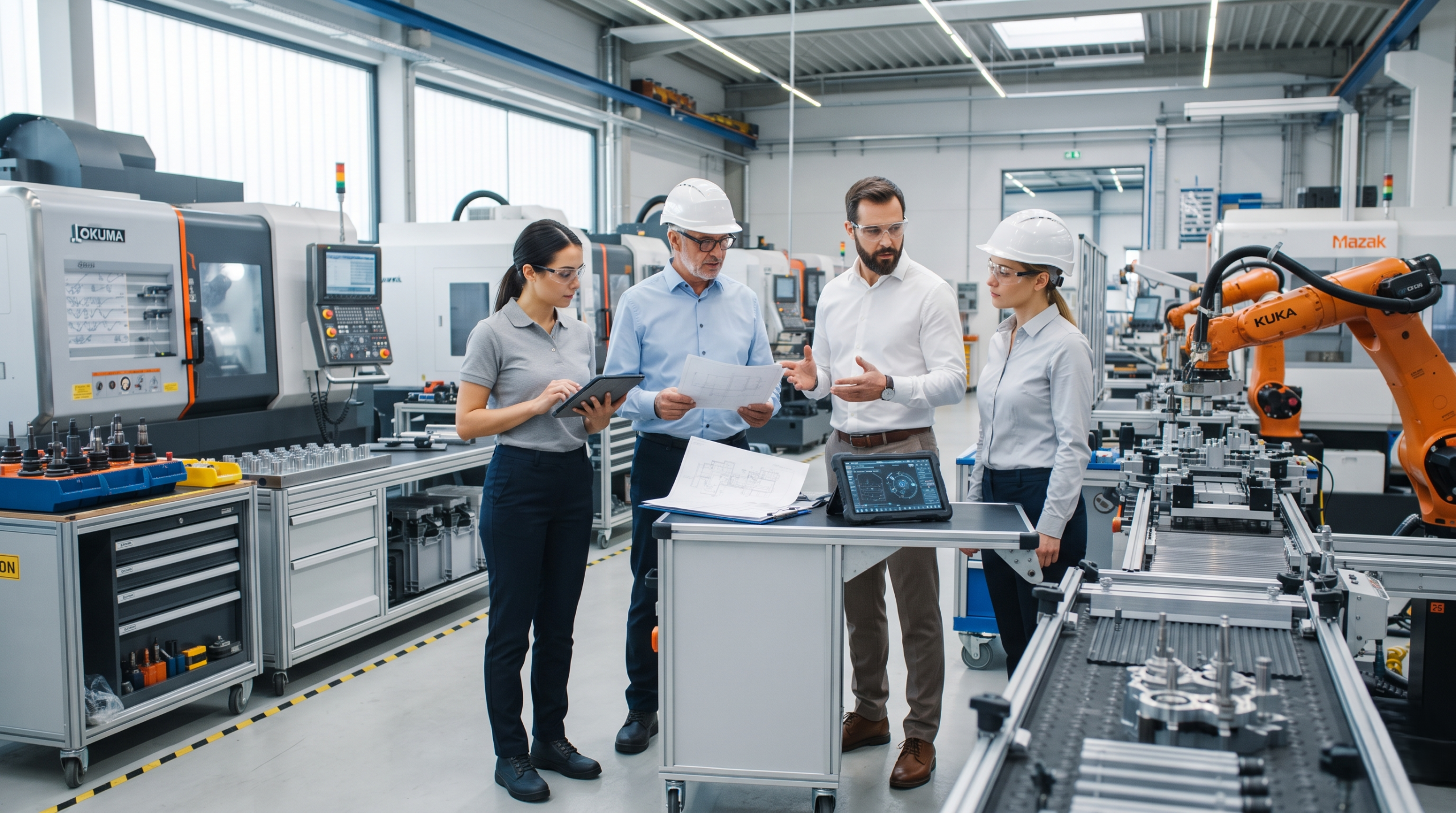
Industrial engineering staffing is a service that gives companies skilled industrial engineers for a short-term, long-term, or project basis. A staffing partner finds, checks, and places the engineers. Your team then manages the daily work.
This helps you fix process problems, cut waste, and improve output. You do not have to wait for a slow hiring cycle.
You may also see these terms:
- Industrial engineer staffing
- Contract industrial engineers
- Industrial engineering staff augmentation
Industrial engineers study how work flows. They look at people, machines, materials, and time. Then they find better ways to get the job done.
Why US Companies Use Industrial Engineering Staffing
Factories, warehouses, and supply chains all face the same pressure. They must produce more, waste less, and move faster. Extra engineering help makes that easier.
It Saves Hiring Time
A full-time search can take weeks or even months. A staffing partner already has a pool of talent. Datadot Labs, for example, says most professionals can start within 48 to 72 hours, based on project needs.
It Lowers Hiring Risk
A bad hire is costly. With staffing, engineers are checked before they reach you. You can also review profiles and hold interviews. That way, you pick the best fit.
It Keeps Costs Flexible
Some projects end in a few months. You do not need a permanent salary for that work. Staffing lets you pay for the skills you need, only when you need them.
Roles You Can Fill with Industrial Engineering Staffing
Industrial engineering is a wide field. Here are common roles companies hire for:
- Process improvement engineers: Find slow steps and fix them.
- Lean manufacturing engineers: Cut waste and save time.
- Six Sigma specialists: Reduce errors and defects.
- Production planning engineers: Match schedules to demand.
- Plant layout planners: Design better floor plans.
- Time and motion analysts: Study how long tasks take.
- Quality engineers: Keep products safe and consistent.
- Supply chain analysts: Improve how goods move.
Signs You May Need Extra Engineers
Not sure if it is time? Watch for these signs:
- Output is slower than your goals.
- Costs keep going up, but the reason is unclear.
- You are launching a new line or opening a new site.
- Demand spikes during certain seasons.
- A key engineer just left.
- A lean or Six Sigma project is stuck.
If two or more sound familiar, extra help can pay off quickly.
How the Process Works
Most staffing partners follow a simple path. Here is a clear view:
- Share your needs. Explain your goals, skills needed, and timeline.
- Review the plan. The partner suggests roles, team size, and cost.
- Meet the candidates. You get matching profiles and can interview them.
- Start the work. The engineer joins your team and begins quickly.
- Get ongoing support. The partner checks in and helps if needs change.
Datadot Labs follows a similar flow: discovery, team selection, and delivery with ongoing support. The result is a clear start and fewer surprises.
Common Hiring Models
You do not have to sign a long deal. Many partners offer flexible terms, such as:
- 1 month: A quick fix or small study.
- 3 months: A short project or pilot.
- 6 months: A larger improvement plan.
- 12 months: Long-term process work.
- Dedicated team: A full group working only for you.
Pick the model that fits your budget and goals. You can often adjust later.
Staffing vs. Full-Time Hiring
Both paths work. They just fit different needs.
Staffing is a good fit when:
- You need help fast.
- The work has an end date.
- You want to test skills before a long commitment.
Full-time hiring is a good fit when:
- The role is core to your business for years.
- You want to build deep, long-term knowledge in-house.
Many companies use both. They keep a small core team and add contract experts when work grows.
How to Choose the Right Staffing Partner
Not all partners are equal. Use this checklist:
- Industry knowledge: Do they understand manufacturing and operations?
- Pre-checked talent: Are engineers screened before you see them?
- Speed: How fast can someone start?
- Time zone support: Can they work during US business hours?
- Clear pricing: Are costs easy to understand?
- Data safety: Do they sign an NDA?
- Flexibility: Can you scale up or down?
- A named contact: Will one account manager guide you?
Ask for sample profiles and past results before you decide.
Frequently Asked Questions
1. What is industrial engineering staffing?
It is a service that places skilled industrial engineers with your company for a set time or project. The partner handles sourcing and screening. You direct the daily work.
2. How fast can I hire an industrial engineer through a staffing partner?
It depends on the role and the partner. Some providers, such as Datadot Labs, say they can onboard professionals within 48 to 72 hours. Complex roles may take a little longer.
3. How is staffing different from full-time hiring?
Staffing is faster and more flexible. You can hire for one month or a year. Full-time hiring builds a permanent team, but it takes longer and costs more upfront.
4. What does an industrial engineer do in a factory?
They study how work happens. Then they improve it. They may redesign layouts, cut waste, balance workloads, or raise quality. Their goal is better output at a lower cost.
5. Can I hire for just a few months?
Yes. Many partners offer short and long contracts, from one month to a year or more. You can also extend the contract if the project grows.
Conclusion
Strong processes keep a business moving. But great engineers are hard to find, and waiting costs money. Industrial engineering staffing gives you skilled help fast, with less risk and more control over cost.
Start by listing your goals and timeline. Then talk with a trusted partner and ask to meet candidates. With the right engineer on board, small fixes can turn into steady, long-term gains.
Connect with us on LinkedIn to stay updated on our latest news, insights, and career opportunities.








Leave a Reply