


Smart Manufacturing Staffing Solutions : How to Hire the Right Talent Faster
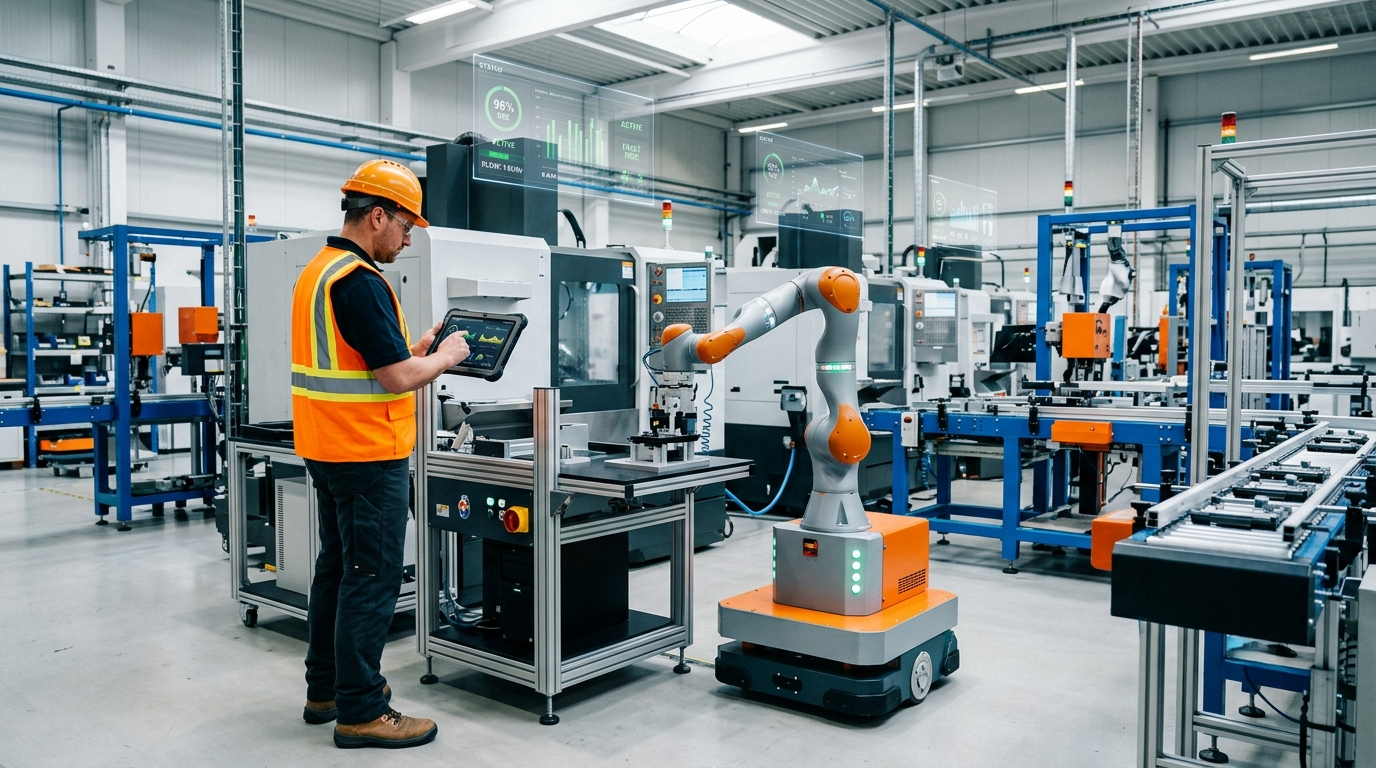
DSSP2026-10-13T15:15:45+00:00Your factory has new robots, smart sensors, and fresh software. But who will run them? Many plants face this problem today. The machines are ready, but the skilled people are not. Smart manufacturing staffing solutions help you close this gap. They connect you with workers who understand both the shop floor and digital tools. In this guide, you will learn how these solutions work, which roles to fill first, and how to hire faster.
What Are Smart Manufacturing Staffing Solutions?
Smart manufacturing staffing solutions are hiring services that help factories find skilled workers for automated, data-driven plants. They supply talent like automation engineers, robotics technicians, and data analysts. Options include contract, contract-to-hire, and direct hire. The goal is simple: fill key roles fast and keep production running.
Think of it as a talent bridge. On one side, you have a modern plant. On the other side, you have people with rare skills. A good staffing partner connects the two.
Why Traditional Hiring Falls Short
Old hiring methods were built for old factory jobs. Smart factories need a mix of skills. One worker may need to fix a machine and also read data from it.
Here is where regular hiring often fails:
- Job posts attract the wrong people. Many resumes lack Industry 4.0 skills.
- Hiring takes too long. Every open role can mean slower output or machine downtime.
- Skills are hard to test. A resume may list “PLC” but show little real experience.
- Demand is high. Many employers compete for the same small pool of workers.
As a result, plants often settle for a weak fit. Or they leave key roles empty for months.
Key Roles Smart Factories Need
Not every plant needs the same team. Still, these roles come up again and again.
Automation and Controls Engineers
These engineers design and fix automated systems. They work with PLCs, sensors, and control panels. They help machines talk to each other.
Robotics and Maintenance Technicians
These workers install, program, and repair robots. They also do preventive maintenance. Their work keeps lines moving and cuts surprise breakdowns.
Industrial IoT and Data Specialists
Smart machines create a lot of data. These specialists turn that data into useful insights. For example, they can spot a pattern that warns of a failing motor.
Quality and Process Engineers
These experts use data to improve quality and reduce waste. They also help plants follow safety and quality rules.
Other roles you may need:
- MES and ERP specialists
- Machine vision technicians
- Cybersecurity staff for factory networks
- Supply chain and planning analysts
Types of Staffing Models
Smart manufacturing staffing solutions come in several forms. Each one fits a different need.
- Contract staffing: You hire talent for a set time. This works well for short projects or busy seasons.
- Contract-to-hire: The worker starts as a contractor. You can offer a full-time job later. This lets you test the fit first.
- Direct hire: The partner finds a full-time employee for you. This suits long-term, key roles.
- Project-based teams: A small team handles one project, like a new automation line.
- Hybrid models: You mix contract and permanent workers to stay flexible.
Not sure which to choose? Start with the question, “How long do I need this skill?” Short need? Go with contract. Long need? Choose direct hire.
Benefits for Your Plant
The right staffing partner can help in many ways:
- Faster hiring. Partners already have talent networks, so you skip the long search.
- Better skill match. Good recruiters know how to check technical skills.
- Less downtime. Open roles get filled sooner, so lines keep running.
- Flexible teams. You can add or reduce staff as projects change.
- Lower hiring risk. Contract-to-hire lets you try before you commit.
- More focus for your team. Your HR staff can spend time on other work.
How to Hire Faster: 6 Simple Steps
Follow these steps to get better results.
- List your real needs. Write down the exact skills, tools, and machines for each role.
- Split “must-have” from “nice-to-have.” Too many demands will shrink your talent pool.
- Pick the right staffing model. Match contract, contract-to-hire, or direct hire to your plan.
- Share clear job details. Include shift hours, location, pay range, and tools used.
- Test skills early. Use a short technical interview or hands-on task.
- Plan the first 90 days. Good onboarding helps new hires settle in and stay longer.
Speed matters. But a quick bad hire costs more than a slow good one. So balance both.
How to Choose a Staffing Partner
Not all agencies are equal. Ask these questions before you sign:
- Do they know manufacturing and automation, or only general jobs?
- Can they explain how they check technical skills?
- How fast do they usually share qualified candidates?
- Do they offer contract, contract-to-hire, and direct hire?
- What is their replacement policy if a hire does not work out?
- Can they share examples from similar plants?
Watch out for these red flags:
- They send many resumes with little screening.
- They cannot explain technical terms.
- They push one model for every need.
- They give vague answers about fees.
A good partner acts like a teammate. They ask many questions and listen well.
FAQs
1. What are smart manufacturing staffing solutions?
They are hiring services that find skilled workers for modern, automated factories. They cover roles like automation engineers, robotics technicians, and data specialists. They offer contract, contract-to-hire, and direct hire options.
2. Why is it hard to hire for smart factories?
Smart factories need workers with both hands-on and digital skills. Few people have both. Also, many employers compete for the same talent.
3. Should I use contract or direct hire?
Use contract for short projects or sudden needs. Use direct hire for long-term roles. Contract-to-hire is a good middle path when you want to test the fit first.
4. How can a staffing partner speed up hiring?
A partner already has a network of screened candidates. That means you skip much of the search and screening work. You can often start interviews sooner.
5. What should I look for in a staffing partner?
Look for real manufacturing knowledge, strong technical screening, flexible hiring models, and clear fees. Ask for examples of past work in similar plants.
Conclusion
Smart factories run on people as much as on machines. Without the right talent, even the best technology sits idle. Smart manufacturing staffing solutions help you fill key roles faster and with less risk. Start by listing your real needs. Then pick the right model and a partner who understands your plant. With a clear plan, you can build a strong, flexible team and keep your production moving.
Connect with us on LinkedIn to stay updated on our latest news, insights, and career opportunities.








Leave a Reply